SMASH: Speech Robustness Under Bit Flips
How semantically targeted bit flips in model weights change what automatic speech recognition systems hear, and what that means for robustness.
I study how intelligent systems learn, collaborate, and fail, then design methods that make them more efficient, resilient, and trustworthy.
518+Citations
17+Peer-reviewed articles
5+Patent applications
$25KCommercialization fund
Published in, reviewer for & affiliated with


I'm a Ph.D. researcher in Electrical & Computer Engineering at the University of Maine and a research assistant in the SIEGE Research Lab, working with Dr. Prabuddha Chakraborty.
My work sits where AI security meets efficient machine learning. I probe risks in large language models and multi-agent systems, and I build neural architecture search methods that make AI practical on resource-constrained hardware.
I earned my B.Sc. in Electrical & Electronic Engineering at Islamic University, Bangladesh, and my M.S. in Computer Engineering at UMaine.
My journeyFrom probing hidden failure modes to designing lighter architectures, these projects are the core of what I work on.
How semantically targeted bit flips in model weights change what automatic speech recognition systems hear, and what that means for robustness.
A predictive architecture search framework for multi-task models. The paper reports up to 16× reductions in energy, CO₂ emissions, and search time against its AutoKeras comparison.
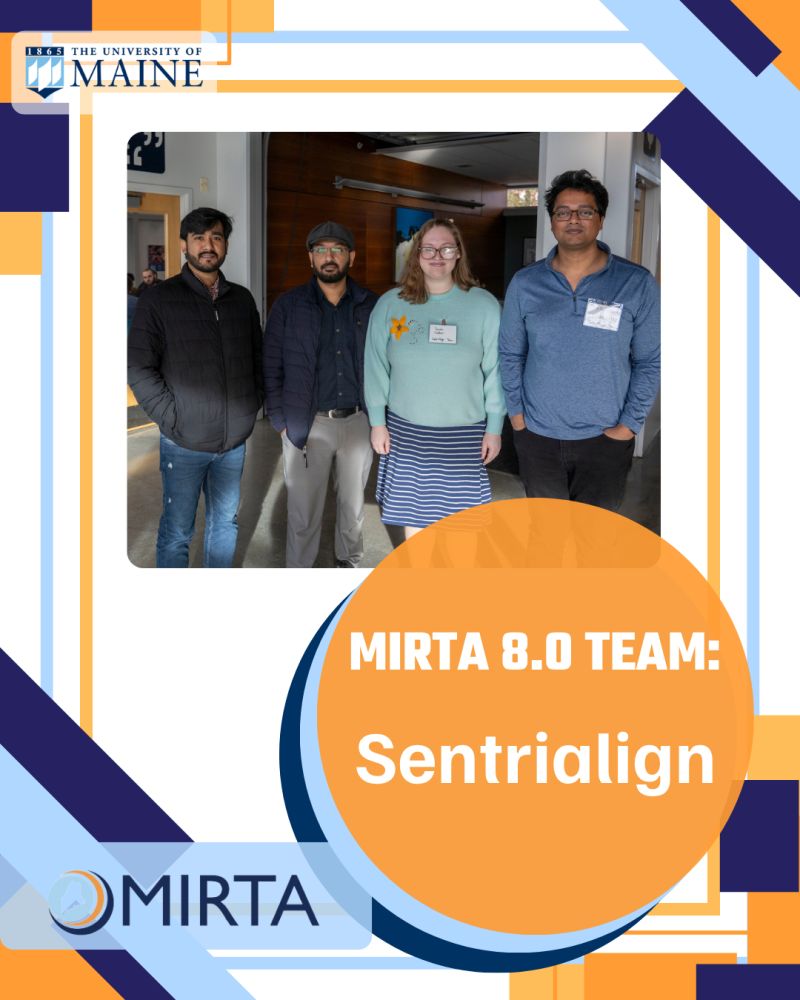
A consensus-based reward framework that mitigates malicious human feedback during large language model training. Now in commercialization through MIRTA 8.0.
An LLM-driven framework that discovers neural architectures matched to the design objectives a user chooses, from accuracy to energy and latency.
Measuring how harmful behavior can be amplified as LLM-based agents coordinate and pass information to one another.
Peer-reviewed work across trustworthy AI, neural architecture search, and applied machine learning.
Five applications across architecture search, safe model training, and the security of AI systems.
PCT/US24/44769 ↗
02 · International (PCT)
PCT/US2025/013847 ↗
03 · International (PCT)
PCT/US26/18361 ↗
64/148,848
63/930,131
University of Maine, College of Engineering
Customer discovery to commercialize the COBRA invention.
Ministry of Finance, Bangladesh
Islamic University, Bangladesh
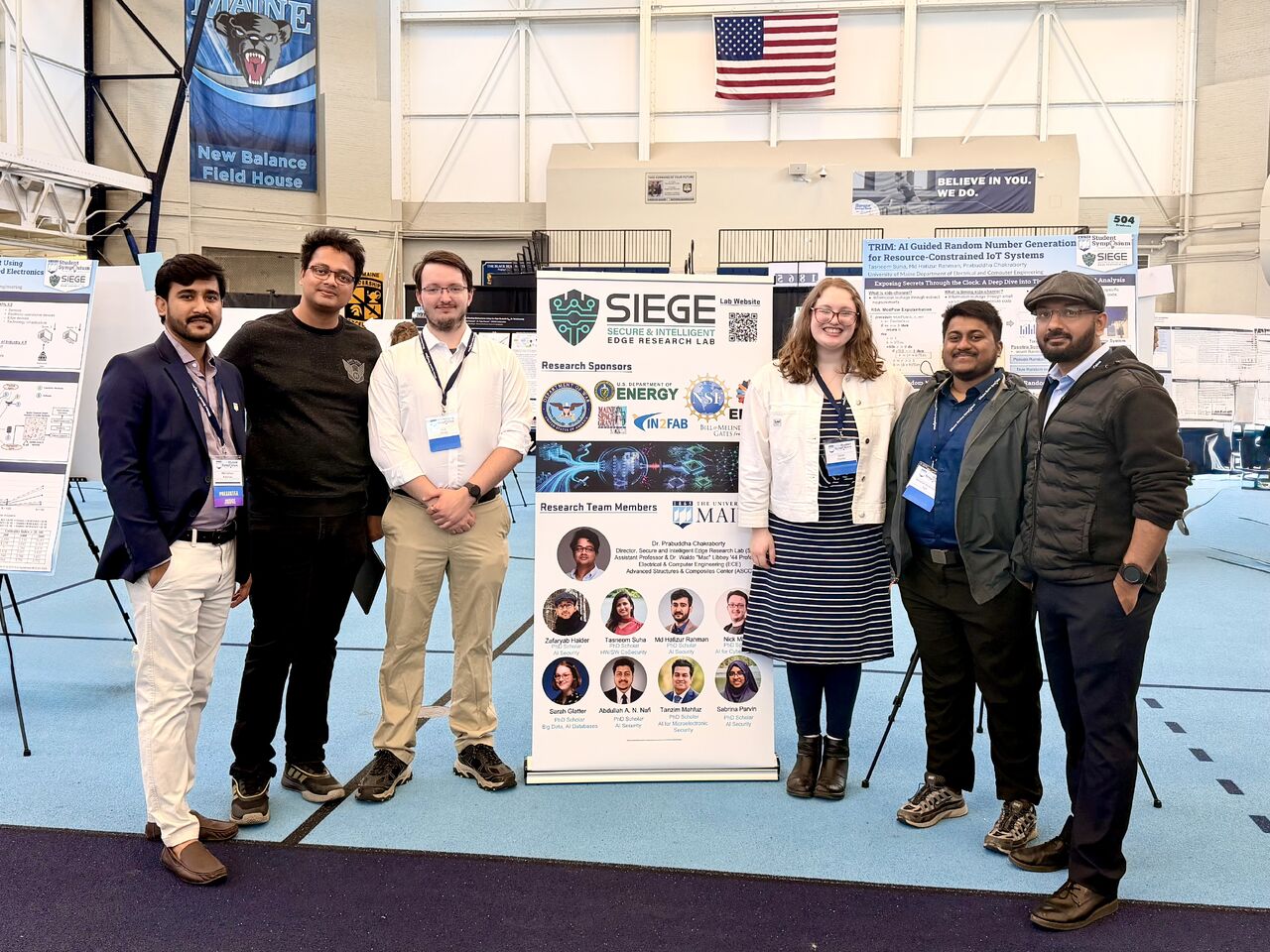
University of Maine Student Symposium
Warren B. Nelms Annual IoT Conference, University of Florida
WHiSPerS Workshop, University of New Hampshire
University of Maine. Neural architecture search (ILASH) and AI security: malicious RLHF feedback, multi-agent harm amplification, and bit-flip attacks.
University of Maine, Orono
Islamic University, Bangladesh
Interested in trustworthy AI, agentic AI security, or a research collaboration? I'd love to hear from you.
Select a question
On Social
I share research updates, paper announcements, and behind-the-scenes moments from conferences and the lab on LinkedIn.
Paper announcements, lab news, and conference notes live on my LinkedIn feed.
See my latest posts ↗